

When an electromagnetic flowmeter is used to measure corrosive liquids, electrode selection is one of the most important factors affecting measurement reliability and service life. Even when the flowmeter body, lining, and transmitter are properly selected, an unsuitable electrode material may lead to corrosion, signal instability, electrode damage, or inaccurate measurement.
For industrial applications, the Lanry Instruments MAG-11 Electromagnetic Flowmeter provides several electrode material options, including SS316L, Hastelloy and Titanium, making it suitable for a wide range of conductive and potentially corrosive liquids.
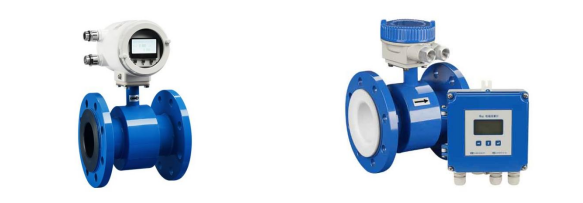
Key Highlights
- Multiple Electrode Materials: MAG-11 supports SS316L, Hastelloy, and Titanium electrode options for different liquid conditions.
- Suitable for Corrosive Media: Proper electrode selection allows the MAG-11 to be used in many industrial applications involving conductive and corrosive liquids.
- Flexible Lining Options: Rubber, PTFE, and PU linings are available to match different chemical and temperature requirements.
- Wide Application Range: Suitable for water treatment, wastewater, chemical processing, industrial process water, seawater-related applications, and other conductive liquids.
- Complete Material Selection: Electrode and lining materials can be selected together according to the liquid composition, concentration, temperature, and operating conditions.
Why Are Electrode Materials Important?
An electromagnetic flowmeter measures flow based on Faraday’s law of electromagnetic induction. When a conductive liquid passes through the magnetic field generated inside the meter, a voltage is induced in the liquid. The electrodes installed on the measuring tube detect this voltage and transmit the signal to the converter.
Because the electrodes are directly exposed to the measured liquid, they are constantly in contact with the process medium.
If the electrode material is incompatible with the liquid, several problems may occur:
- Chemical corrosion of the electrode surface
- Reduced electrode service life
- Unstable or noisy measurement signals
- Increased zero-point drift
- Measurement errors
- Electrode contamination or surface deterioration
Therefore, electrode selection is a key part of electromagnetic flowmeter sizing for chemical, wastewater, mining, food-processing, and other demanding applications.
What Factors Should Be Considered?
1. Chemical Composition of the Liquid
The first consideration is the chemical composition of the medium.
Different chemicals can have very different effects on metal materials. Acidic solutions, alkaline solutions, chloride-containing liquids, seawater, and chemical solutions may require different electrode materials.
The liquid name alone is sometimes insufficient. A chemical solution may contain different concentrations of acids, salts, or other compounds, which can significantly change its corrosive characteristics.
When selecting the electrode, it is recommended to provide the flowmeter manufacturer with:
- Liquid name and composition
- Chemical concentration
- Conductivity
- Operating temperature
- Maximum temperature
- Operating pressure
- Expected flow range
These parameters allow material compatibility to be evaluated more accurately.
2. Liquid Concentration
The same chemical can behave differently at different concentrations.
A low-concentration chemical solution may be compatible with a standard electrode, while a high-concentration solution may require a more corrosion-resistant alloy.
Therefore, concentration should be specified during flowmeter selection rather than simply stating the chemical name.
3. Operating Temperature
Temperature can significantly affect chemical corrosion.
As temperature increases, the chemical reaction between the process liquid and electrode material may become more aggressive. A material that performs well at room temperature may have different corrosion resistance at elevated temperatures.
For applications involving high-temperature corrosive liquids, both the electrode material and flowmeter lining should therefore be evaluated.
4. Conductivity
Electromagnetic flowmeters require the measured liquid to have sufficient electrical conductivity.
This is especially important when selecting a flowmeter for chemical solutions, because some liquids may be chemically aggressive but have relatively low conductivity.
The MAG-11 is designed for conductive liquids, and the liquid conductivity should be confirmed before selecting the instrument.
Which Electrode Materials Can Be Used?
There is no single electrode material that is suitable for every corrosive liquid. Common options include stainless steel, Hastelloy, and titanium.
The table is intended as a general selection guide. Actual compatibility depends on the specific chemical composition, concentration, temperature, and operating conditions.
When Is SS316L a Suitable Choice?
SS316L is widely used because it provides good corrosion resistance while maintaining a relatively economical solution.
It can be considered for:
- Water and wastewater
- Industrial process water
- Mildly corrosive liquids
- Certain chemical solutions
- Liquids containing moderate amounts of salts
For general water-treatment applications, SS316L can often provide an appropriate balance between corrosion resistance and cost.
However, SS316L should not automatically be selected simply because the liquid is conductive. If the medium contains aggressive chemicals or high concentrations of corrosive components, a more corrosion-resistant electrode may be required.
When Should Hastelloy Be Considered?
Hastelloy is commonly considered when the measured liquid is more chemically aggressive.
Some chemical processing applications involve acidic solutions, chloride-containing media, or other aggressive process liquids. In these conditions, the corrosion resistance of the electrode becomes particularly important.
The MAG-11 can be configured with Hastelloy electrodes for applications where higher corrosion resistance is required.
This option can be considered for:
- Aggressive chemical solutions
- Certain acidic media
- Chemical processing
- Industrial wastewater with corrosive components
- High-corrosion process environments
The exact Hastelloy grade and suitability should still be checked against the actual process medium.
When Is Titanium an Option?
Titanium offers excellent corrosion resistance in many applications and can be considered for selected corrosive liquids.
It is often associated with applications involving chloride-containing media and seawater-related processes.
For example, titanium electrodes may be considered for:
- Seawater
- Certain salt solutions
- Chloride-containing liquids
- Selected chemical applications
However, titanium is not automatically the correct choice for every corrosive liquid. Material compatibility should always be checked against the actual process conditions.
Electrodes Are Not the Only Material to Consider
A common mistake is to focus only on electrode material.
In fact, an electromagnetic flowmeter has several wetted components, including the measuring tube lining and electrodes. The lining must also be compatible with the process liquid.
The MAG-11 can be configured with different lining materials, such as rubber, PTFE, and PU, depending on the application.
Therefore, a complete material selection should consider:
Selecting an expensive corrosion-resistant electrode does not solve the problem if the lining is incompatible with the liquid.
How Does the MAG-11 Support Corrosive Liquid Measurement?
The Lanry Instruments MAG-11 Electromagnetic Flowmeter is designed for industrial flow measurement of conductive liquids.
Depending on the application, it can be configured with different electrode and lining materials.
Key features include:
The combination of electrode and lining options allows the MAG-11 to be adapted to different process requirements.
For example, a wastewater application with relatively mild chemical conditions may use SS316L electrodes, while a more aggressive chemical process may require Hastelloy or titanium depending on the liquid.
A Practical Electrode Selection Process
When choosing an electromagnetic flowmeter for corrosive liquids, the following process can help:
Frequently Asked Questions
Can SS316L electrodes measure corrosive liquids?
SS316L has good general corrosion resistance and can be used for many mildly corrosive conductive liquids. However, it is not suitable for every corrosive chemical. The actual liquid composition and concentration should be checked.
Are Hastelloy electrodes always better than SS316L?
Not necessarily. Hastelloy generally provides higher corrosion resistance in many aggressive environments, but the correct material depends on the specific liquid. Using a more expensive material does not automatically mean it is the correct selection.
Can an electromagnetic flowmeter measure acid?
Yes, if the acid is electrically conductive and the wetted materials are chemically compatible with the acid. Electrode and lining selection should be based on acid type, concentration, temperature, and other process conditions.
What information should I provide when asking for a MAG-11 quotation?
For a corrosive-liquid application, it is useful to provide:
- Medium
- Concentration
- Conductivity
- Temperature
- Pressure
- Flow range
- Pipe diameter
- Flange standard
- Required output or communication
- Electrode and lining requirements, if already known
Conclusion
Electrode selection is an essential part of electromagnetic flowmeter selection for corrosive liquids. SS316L, Hastelloy, and titanium each have different characteristics, and the appropriate choice depends on the actual chemical composition, concentration, temperature, and operating conditions.
For applications involving conductive corrosive liquids, the Lanry Instruments MAG-11 Electromagnetic Flowmeter offers multiple electrode and lining options to help match different industrial requirements.
Rather than selecting an electrode based only on the name of the liquid, it is better to evaluate the liquid composition, concentration, conductivity, temperature, electrode material, and lining material together. This approach can help improve measurement stability and extend the service life of the flowmeter in demanding process environments.
For more information about the MAG-11 Electromagnetic Flowmeter, please visit www.lanry-instruments.com.

Post time: Sep-17-2026